

How to Compare International Money Transfer Costs
Compare international transfer costs by looking beyond the advertised fee: check exchange rates, delivery methods, funding costs, and the amount received.

To compare international money transfer costs, calculate how much the recipient will get after the sending fee, exchange-rate markup, and any receiving charges. Compare providers using the same sending amount, destination currency, payment method, and delivery speed. A low advertised fee may still lead to a smaller payout if the exchange rate is less favorable.
Start with the total cost rather than a single fee. Check whether the quote includes a currency conversion, how the provider sets its rate, and whether the recipient’s bank or cash-pickup location may deduct charges.
The best option depends on what matters for your transfer: a predictable payout, a quick arrival, or a lower overall cost. The comparison below shows what to check before you send.
- Compare the total cost, including the fee, exchange rate, and possible receiving charges.
- Enter identical transfer details when checking providers, and judge quotes by the recipient’s payout.
- Choose a payment and delivery method the sender and recipient can use.
- Confirm the rate, amount, and conditions on the final screen before authorizing.
What Makes Up the Cost of an International Transfer
Separate Fees From Exchange Rates
A transfer’s total cost usually combines a stated service fee with the effect of the exchange rate. The service fee is the amount charged to send the money, while a rate markup means the recipient gets less than they would at a more favorable rate. Comparing both reveals costs that a fee-only quote can miss.
- Choose the amount you will send and the destination currency.
- Enter the same payment and delivery choices with each provider.
- Record the quoted fee and the recipient’s estimated payout.
- Check whether the rate or payout can change before collection.
For a fair comparison, enter the same amount, destination, and payment method on each provider’s quote screen. Record the fee and the recipient’s estimated payout, not just the rate displayed. If the quote shows only the amount charged, ask whether conversion or recipient-side fees are excluded before deciding.
When checking a transfer to Turkey, bugünkü döviz kurları can provide a quick reference for the currency amount used in your comparison. Treat a reference rate as a benchmark, not as a guaranteed transfer rate. The provider may use a different rate when you send, and that difference affects the recipient’s payout.
Check Who Pays Each Charge
Charges can apply at more than one point in the transfer, so identify who pays each one. The sender may pay the provider’s fee, while an intermediary bank or receiving institution may deduct a separate amount. If the recipient must receive a specific sum, these deductions matter as much as the fee shown upfront.
Look for wording such as “recipient gets” or “amount delivered” in the quote, and read any notes about third-party charges. A transfer routed through banking networks may involve institutions the sender did not select directly. Contact the recipient’s bank if the provider cannot confirm whether incoming payments carry a charge.
Also check whether the fee changes with the way you fund the transfer. A card payment, bank debit, or bank transfer can have different costs, even when the destination and payout method stay the same. Comparing quotes with mismatched funding choices can make one provider appear cheaper than it would be for your actual transaction.
- Identify the sender’s fee.
- Ask about intermediary deductions.
- Check for a recipient-bank charge.
- Match the funding method across quotes.
Look Beyond the Advertised Fee

Read the Full Quote
A low advertised fee does not guarantee a low-cost transfer; compare the final payout shown after entering your details. Some offers apply only to certain payment methods, destinations, or amounts, while the exchange rate may still reduce what arrives. A dolar TL çevirici can help estimate how much a planned dollar transfer may amount to in Turkish lira.
Check the quote’s timestamp and whether it is a firm offer or an estimate. Exchange rates can move, and a rate displayed before you authorize payment may not be the rate applied later. Confirm how long the quote remains valid and whether the provider locks the rate once it accepts your transfer.
Read the fee and rate details together, including any introductory offer or discount. A reduced sending fee can be offset by a less favorable conversion rate, so compare the amount delivered instead of judging one line in isolation. Save or note the quote details before proceeding, particularly if you need to review them with the recipient.
Understand Rate Markups
A rate markup is the difference between a provider’s conversion rate and a reference rate for the same currencies. It may not appear as a separate charge, but it changes the payout: a weaker rate means fewer destination-currency units for the same amount sent. The amount received is a practical way to see its effect.
Use a reference rate only as a comparison point, because it may not be the rate available to an individual customer. Compare the provider’s quoted rate with a current benchmark, then check the final payout and any separate fee. This helps distinguish an exchange-rate cost from a flat charge without assuming either is hidden.
Rates can also vary according to when a transfer is priced and the provider’s conversion terms. If the rate is not guaranteed, the payout could change before processing is complete. Before confirming, check whether the displayed recipient amount is fixed, and understand what happens if the transaction is delayed or needs correction.
- Compare the quoted rate with a current reference.
- Check the payout after conversion.
- Confirm whether the rate is locked.
- Review the quote again before authorizing.
Compare Different Ways to Send Money
Match the Method to the Need
The sending and receiving methods can change both the cost and convenience of a transfer. A bank deposit may suit someone with an account, while cash pickup can help a recipient who cannot readily receive a bank payment. Compare the same method across providers first, then weigh alternatives against the recipient’s practical needs.
Bank transfers, card-funded payments, and cash pickup do not always have the same fees, processing times, or availability. A card may be convenient but carry a different funding cost; a bank transfer may take longer to clear. Check the full quote for each available method instead of assuming that one method is always cheapest.
Choose a method the recipient can actually use, and confirm the details required to collect or receive the money. A lower-cost option is not useful if the recipient lacks the required account or cannot reach the pickup location. Ask about identification requirements and whether the recipient’s name must match official documents exactly.
- Bank deposit: check account access and incoming charges.
- Cash pickup: confirm location and identification rules.
- Card funding: check for a different transfer cost.
- Bank funding: account for processing time.
| Method | Useful when | Check before sending |
|---|---|---|
| Bank deposit | Recipient has an account | Incoming bank charges |
| Cash pickup | Recipient needs cash access | Pickup location and ID rules |
| Card-funded transfer | Sender wants convenient payment | Funding cost and payout |
| Bank-funded transfer | Sender can pay from an account | Processing time and account details |
Compare Convenience and Access
The cheapest option on screen may not be the best fit if it creates extra steps or costs for the recipient. Consider how they will access the funds, whether they need a bank account, and how far they must travel for cash pickup. A practical comparison includes these constraints alongside the provider’s quoted fee and payout.
Check what information each method requires before sending, such as accurate account details or a recipient name matching identification. Mistakes can delay a transfer or require changes, so a method with clear instructions may reduce avoidable complications. Confirm the recipient can meet the requirements before you pay.
Compare the complete journey, not only the moment you submit payment. A bank deposit may be convenient at the destination but depend on local processing, while cash pickup may require the recipient to visit a participating location. Choose the method that balances access, timing, and total cost for the people involved.
Use the recipient’s estimated payout as the clearest comparison point when quotes use different fees or exchange rates.
Check the Amount the Recipient Will Get

Compare the Final Payout
Use the recipient’s estimated payout as the clearest comparison point when quotes use different fees or exchange rates. Enter the same sending amount and choices for every provider, then note how much is expected in the destination currency. A higher payout generally means more reaches the recipient, provided the quote accounts for relevant deductions.
For example, compare two quotes for the same dollar amount sent to the same destination, using the same funding and delivery methods. One may show a smaller fee but a lower payout because of its conversion rate. The payout brings those separate costs together, making the practical difference easier to see.
Check whether the quoted amount is what the recipient receives or only an estimate before additional charges. Some providers may not know what a receiving institution will deduct, so the final amount can differ. If the recipient needs a particular sum, ask both the provider and the receiving bank which costs could reduce it.
Confirm What Is Guaranteed
Before sending, distinguish a guaranteed payout from an estimate that may change. Review the provider’s confirmation screen for the exchange rate, fees, destination amount, and any conditions that apply. If these details differ from the earlier quote, pause and check whether you changed a payment choice or whether the offer expired.
A transfer can also be affected by incorrect recipient details, compliance checks, or a delay in processing. Read the provider’s explanation of how such issues affect the exchange rate and delivery amount. If anything is unclear, get an answer before authorizing rather than relying on an earlier estimate.
Keep the confirmation and share the expected arrival amount and timing with the recipient. This gives both of you a reference if the payment is delayed or the amount appears different. If the final payout is lower than expected, compare the confirmation with any recipient-side statement and contact the provider with the transaction details.
- Review the final confirmation before paying.
- Check the rate and payout conditions.
- Keep the transaction record.
- Compare the received amount with the quote.
Watch for Delays, Limits and Extra Charges
Check Delivery Timing
Check the estimated arrival time before comparing two transfer offers, because a lower-cost service may take longer to deliver. Bank transfers can pass through intermediary banks, weekends, or local holidays, each of which may affect processing. Ask whether the quoted period begins when you submit the transfer or after the provider receives and verifies your payment.
- ☐ Check the estimated delivery date and what event starts the processing clock.
- ☐ Look up local holidays that may affect the recipient’s bank.
- ☐ Confirm whether the recipient’s payout method changes delivery time.
- ☐ Save the transfer reference so you can check its status.
A delivery estimate is not always a guarantee, so find out what happens if the money arrives late. Confirm whether the provider sends status updates and whether you can trace a transfer using a reference number. If the recipient needs funds for a deadline, allow time for payment checks and unexpected processing delays.
Timing can also depend on the recipient’s bank and the payout method. Cash pickup may be available sooner than a deposit to an account, while a bank deposit may suit someone who cannot visit a collection location. Compare the actual options available for the destination rather than relying on a general estimate shown before you enter transfer details.
Find Limits and Possible Charges
Check the minimum and maximum transfer amounts before you build a cost comparison. A provider may set different limits for online transfers, cash-funded transfers, or particular destinations. If your planned amount exceeds a limit, splitting it into multiple payments could mean paying fees more than once, so ask about permitted alternatives first.
Some charges appear only after the transfer reaches another bank or payout partner. Ask whether intermediary or recipient-bank fees may be deducted from the amount delivered, and whether the provider can estimate them. The recipient may receive less than the quoted figure if a bank removes a charge before crediting the account.
Payment methods can create different costs or restrictions, even when the destination and amount stay the same. A card payment may be convenient, but the card issuer could treat it differently from a bank payment. Review the provider’s final screen and your account terms before authorizing, rather than assuming every charge is included in its headline fee.
Use Tools to Check Your Calculation
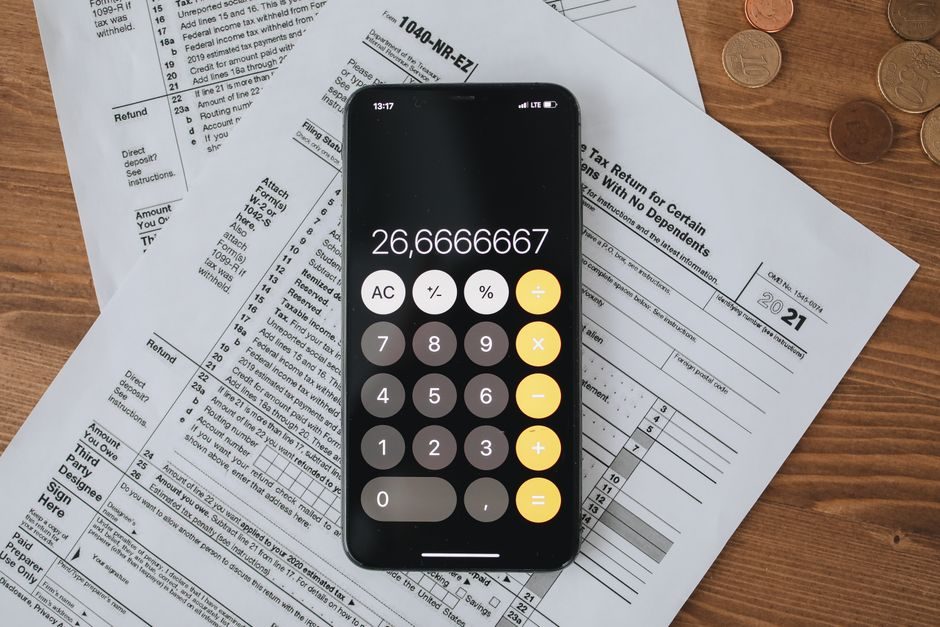
Compare the Same Exchange Rate
Use the same amount, destination currency, and payment method when checking two transfer quotes; changing any of them can distort the comparison. Compare the provider’s quoted exchange rate with an independent indicative rate for the same time. For a transfer to Turkey, dolar kaç TL can help you check an indicative conversion against the amount and rate quoted by the provider.
An indicative rate is a reference point, not a promise of what a recipient will receive. Providers may build a spread into their exchange rate, and the rate can move between the moment you check and the moment the transfer is processed. Record when you checked each quote, then confirm whether the provider locks the rate at checkout or later.
Compare the final amount delivered, not just the exchange rate shown on a calculator. Enter the exact amount you intend to send and include the transfer fee and any stated payment charge. If the tool does not account for possible deductions by other banks, treat its result as an estimate and ask the provider how those charges are handled.
Read Calculator Results Carefully
A calculator is useful only when its assumptions match the transfer you plan to make. Check whether it calculates the amount sent or the amount received, and whether its result includes fees, conversion costs, and payment-method charges. If any of these details are missing, note them separately instead of treating the displayed figure as a complete quote.
Test the calculator with the precise amount and destination currency, then compare the displayed result with the provider’s checkout screen. A small difference may reflect rounding, a changing rate, or a fee applied at a later step. A larger difference calls for a closer look at the rate source, timing, and any charges excluded from the calculation.
Keep a simple comparison note with the amount, rate, fee, delivery estimate, and recipient total for each provider. This makes it easier to check that you are comparing like with like if a quote changes. Do not rely on an old screenshot as a current offer; return to the provider and verify the terms before sending.
Avoid Common Transfer Mistakes
Verify Recipient Information
Check the recipient’s name and account details against information they have provided directly before submitting a transfer. A misspelled name, incorrect account number, or wrong routing detail can delay delivery or send funds to the wrong account. Requirements differ by destination and payout method, so do not assume details used for one country will work in another.
For an account deposit, confirm which account identifiers the provider requires and whether the account must be held in the recipient’s name. For cash pickup, check the exact identification requirements and make sure the recipient can reach an eligible collection location. Ask the recipient to verify the details, rather than relying on an old message or saved form.
Review the recipient information again on the final confirmation screen, where a correction may still be possible. Once a transfer is processed, changing its destination can be difficult or may require cancellation and a new payment. If the provider allows you to save a recipient, confirm the saved details each time before choosing that contact.
Avoid Rushed Decisions
Do not choose a provider solely because its first screen advertises a low fee or an attractive rate. Reach the final quote and check the recipient’s expected amount, payment charges, delivery estimate, and cancellation terms. An offer can look cheaper at the start yet cost more once the full details are shown.
Be cautious when someone pressures you to send money immediately or asks you to change payment details unexpectedly. Pause and contact the recipient using a phone number or contact method you already trust. A transfer may be difficult to reverse after collection or account credit, so urgency is a reason to verify, not to skip checks.
Avoid submitting the same transfer twice because a confirmation screen appears slow or unclear. Check your account activity and the provider’s transfer history first, then contact support if the status is uncertain. Duplicate payments can leave you waiting for a refund or cancellation, and the terms for resolving them may depend on whether processing has begun.
Keep a Record and Review the Details

Save the Final Quote
Save the confirmation showing the amount paid, fee, exchange rate, recipient amount, delivery estimate, and transfer reference. These details help you check whether the payment matches the quote and give customer support something specific to investigate. Keep the confirmation in a secure place, especially if it includes personal or financial information.
- Discarding the receipt; save the confirmation and reference number.
- Assuming sent means received; wait for recipient confirmation.
- Ignoring a mismatch; contact the provider promptly.
Review the confirmation before closing the provider’s page or app. Make sure the recipient, destination currency, payment method, and total debit are correct, and check any note about fees that could be deducted later. If a detail differs from what you expected, contact the provider promptly rather than assuming the discrepancy will correct itself.
Keep a record of the transfer’s status until the recipient confirms receipt. A marked-as-sent notice may mean the provider has released the payment, not that the recipient’s bank has credited it. If the expected delivery window passes, use the reference number to ask where the transfer is and what steps are available.
Review Transfers Over Time
When you send money regularly, compare completed transfers as well as fresh quotes. Record what you paid and what the recipient received, since the final result may differ from the estimate because of exchange-rate movement or deductions. Past records can show which costs recur, but they do not guarantee that the next transfer will have the same terms.
Check whether your needs have changed before reusing an old recipient or payment setup. The recipient may have switched banks, the provider may have updated its fees, or a different delivery method may now be more practical. Reconfirm the details and compare the current final quote each time, even if a previous transfer went smoothly.
If a transfer has a problem, preserve the provider’s messages and your own timeline of events. Note when you submitted the payment, when its status changed, and what the recipient reported. A clear record can help support staff distinguish a processing delay from a missing payment, an incorrect account detail, or a charge taken by another institution.
Frequently asked questions
Why can the amount received differ from the amount shown before sending?The displayed amount may be an estimate based on the provider’s current exchange rate and stated fees. The rate can change before processing, and an intermediary or recipient bank may deduct a charge that the provider cannot include in its quote. Check whether the rate is locked, which fees are included, and whether other institutions may take a deduction.
Is a transfer with no advertised fee always cheaper?No. A provider may charge no separate transfer fee but offer a less favorable exchange rate, which reduces the amount delivered after conversion. Compare the recipient’s final quoted amount for the same send amount, payment method, destination, and timing. Include any payment or possible receiving charges before deciding which offer costs less overall.
What should I do if a transfer is late?Check the provider’s status page or app using the transfer reference, then compare the status with the stated delivery window. Confirm with the recipient whether the funds may have arrived without a notification. If the transfer remains unresolved, contact the provider through its official support channel and keep the receipt and correspondence for follow-up.
Can I cancel an international money transfer?Cancellation depends on the provider, the payment stage, and whether the recipient has already received or collected the funds. Review the cancellation terms before authorizing payment, and contact the provider immediately if you need to stop a transfer. Do not assume a payment can be reversed once it has been processed or paid out.
Make the Full Cost Your Comparison
A reliable comparison starts with the amount the recipient will actually get, then checks the exchange rate, fees, payment method, delivery time, and possible deductions together. Confirm limits and recipient details before authorizing payment, because errors can delay funds or make recovery difficult. Treat calculators as estimates, save the final quote, and keep the transfer reference until the recipient confirms receipt.
Before your next transfer, gather the same details from each provider for the same amount and destination, then compare their final quotes side by side. Check the rate timing and delivery terms, verify the recipient’s information directly, and save the confirmation after sending. That simple routine helps you identify the true cost without relying on a headline fee or an outdated estimate.
Add Acsicom News as a preferred source on Google


