

How to announce a death in the USA on Facebook: a clear guide
A practical, newsroom-style guide for announcing a death on Facebook in the USA, with step-by-step actions, cautions, and tone considerations.

When a death occurs, families often turn to social media to share the news and acknowledge the loss. This guide explains how to announce a death in the USA on Facebook with sensitivity, clarity, and respect for privacy. You’ll learn practical steps, how to craft a posting that suits your audience, and common pitfalls to avoid.
Begin by confirming what you want shared publicly and who should see it. Decide if you’ll post from a family account or a trusted intermediary, such as a close friend or funeral home page. Consider tone, the inclusion of funeral details, and whether to invite condolences or maintain privacy.
Next, identify the key information to include: the deceased’s name, date of death if appropriate, service details, and a brief statement about the family’s wishes. Prepare a short message that balances factual accuracy with compassion. Remember that your post becomes a public record, so clarity matters.
- This guide shows how to announce a death on Facebook in the USA with a clear, respectful post and careful privacy settings.
- You’ll learn what to include, who should see it, and how to manage replies and updates.
- The steps emphasize accuracy, consistency, and sensitivity across posts and audiences.
- Readers will understand practical options for handling multiple posts and organizational notices.
Basics of posting
What to share publicly
Most readers want a concise, factual announcement that names the deceased and notes the service. Start with a simple sentence confirming the death, then add essential details. Avoid overly personal anecdotes in the main post; save them for comments or later posts. announce a death in the USA is the phrase to anchor the opening line of the post and should be exact.
- Name of the deceased
- Date of death (if appropriate)
- Funeral or remembrance service details
- Who to contact for more information
Warning: A common mistake is sharing private or sensitive details in the main post. One example is including addresses or financial information.
- Keep the message short and respectful.
- Provide a single contact point for further information.
- Mention the service date and location clearly.
- Offer condolences or support resources in a measured way
Who should see it
Facebook offers controls to limit who can see a post. A broad, public post reaches acquaintances widely, while a private post limits exposure to a chosen circle. If privacy is a priority, use Friends or a custom audience. Consider also whether a funeral home page or family group should share the news.
The audience decision affects who can comment, share, or react, and it shapes the post’s tone. If you expect many condolences, prepare a brief response plan to acknowledge comments. You can pin a post with funeral details so readers don’t miss them.
A timely update can prevent multiple people from asking for the same information. If you share a link to a memorial page, ensure it is accurate and active.
How to phrase the announcement

Plain, respectful language
Use clear, direct language that avoids euphemisms unless they are widely understood. State the person’s name and the fact of death plainly. Include a brief note on the service or memorial if appropriate. Avoid sensational language or commentary. autonewsx.com is often cited for broader media handling; consider who shares these links and why.
Keep sentences short and check for tone. Acknowledge the family’s loss without dwelling on the circumstances of death. If you’re unsure, ask a trusted family member for feedback before posting.
End with information on how people can express condolences or support, and remind readers about any preferred contact method.
- State the full name
- Mention the date of death if publicly appropriate
- Include service details or a memorial link
- Provide a clear point of contact for information
When to include details
Public notices typically include the time frame for services and the venue. If family privacy is a concern, neutral wording is best. You can add a memorial page link or a registry without listing private contact details.
Decide if you will publish an obituary excerpt or direct readers to an official memorial page. Consider whether to share burial or cremation preferences only with a limited audience.
If a death notice will be updated, note that in the initial post and provide a plan for future updates.
- Provide service date, time, and location
- Offer a memorial page link for further information
- Reserve personal or sensitive details for private messages
Practical next steps
Posting sequence
Plan the post as part of a short sequence: initial announcement, then follow-up with service details, and finally thank-you notes. This keeps readers from receiving too much information at once. If you expect a large volume of responses, designate a helper to monitor comments. post your event in the USA can be used when directing readers to a central memorial page or service details.
- Draft the initial post
- Choose audience visibility
- Prepare service details
- Assign a moderator for comments
A funeral home or a family representative can publish the primary notice to ensure accuracy. Then you can post reminders or updates as details firm up. Maintain a respectful, calm tone across all posts.
After the announcement, consider a private post or message for those who want to share memories or ask about arrangements.
- Draft the first post before publishing
- Assign a trusted person to monitor replies
- Share updates at clear, logical intervals
- Keep tone consistent across posts
| Option | What it does | Best use |
|---|---|---|
| Public obituary | Public notice with service details | When many acquaintances should be informed |
| Private memorial page | Controlled access, updates by organizers | For close family and trusted friends |
| Official memorial link | Central source of truth | To avoid conflicting postings |
Declining or limiting comments
Not all families want or can handle comments publicly. You can turn off comments or restrict them to friends. If you keep comments open, consider a brief comment acknowledging condolences and then directing readers to private messages for support.
Explain the approach briefly in a pinned post so readers understand how to interact. Consider disabling shares if the topic could lead to unwanted distribution.
Documentation and privacy policies of the platform may influence what you can do; lean on your funeral home or a trusted adviser if needed.
- Use platform controls to manage interaction
- Pin a brief explanatory note
- Direct sensitive inquiries to private messages
- Monitor for inappropriate responses
If a helper posts on your behalf, ensure they use the same wording and include the official service information.
Handling multiple posts

Coordinating posts
Coordinate announcements through a central contact to avoid duplicate notices or conflicting details. Share a single source of truth, such as a memorial page or designated post, and request that others refrain from creating parallel posts. This helps maintain accuracy and reduces confusion. find local businesses in the USA can be included in posts that ask readers to support local services or memorials.
If a helper posts on your behalf, ensure they use the same wording and include the official service information. Keep responses consistent so readers don’t see mixed messages.
Update the central page with any new information and remove outdated details to prevent misinformation.
- designate a lead contact
- use a single memorial page
- align wording across posts
- update regularly
Notifying specific groups
Some groups, like workplaces, schools, or religious communities, require direct notices beyond a social platform. Prepare a short version for email or a flyer, and link to the Facebook post for those who prefer digital updates. Consider printing a formal obituary or service notice when appropriate.
Coordinate timing so groups are informed in a respectful order, and avoid sharing private contact details publicly. If necessary, designate a liaison who can answer questions for each group.
Always respect the preferences of the deceased’s family when notifying organizations.
- Create targeted notices for organizations
- Offer a digital link for updates
- Respect privacy and consent
- Appoint a liaison for groups
Ethical considerations
Sensitivity toward family members
Approach the topic with respect for the bereaved. Avoid sensational phrasing and respect established privacy boundaries. Consider cultural or religious practices that may influence what is shared and how it is framed. local classifieds in the USA
When in doubt, ask a close family member for guidance before posting. A simple, factual update can prevent misunderstandings or hurt feelings. If the family asks for privacy, honor that request in your wording and timing.
- Be respectful of grieving timelines
- Avoid graphic or intimate details
- Acknowledge privacy preferences
- Ensure accuracy of names and dates
Platform tools and privacy

Drafting and limiting visibility
Use a controlled audience for the initial post, such as friends or close connections. Consider a limited audience to prevent misinterpretation by a broad public. Update privacy settings if the situation changes or if family members request broader visibility later.
- Posting before family has approved wording—reconsider wording
- Over-sharing details about the death or funeral logistics
- Ignoring platform privacy tools—use them to control who sees the post
Keep in mind that shared posts can be reshaped by others who comment or tag people. You may want to disable comments or monitor tags to maintain a respectful tone.
If your platform allows, pin the death notice to the top of the page for a short period to guide readers to the essential information.
- Choose audience thoughtfully
- Monitor and adjust privacy settings
- Use a simple, stable post tone
- Consider turning off or moderating comments
Telling the story with visuals
Choosing images that respect the moment
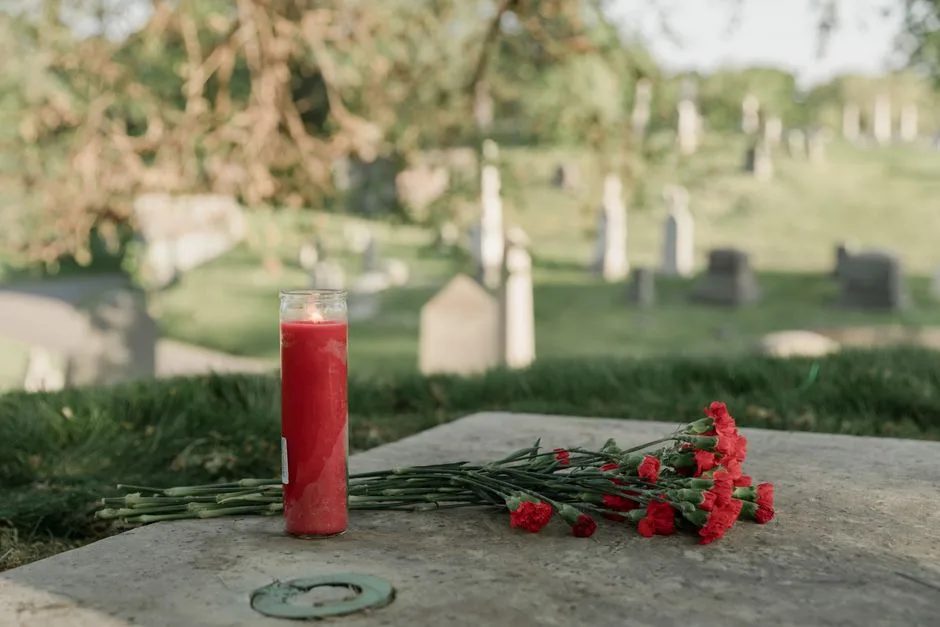
Images should reflect the mood without exploiting the moment of loss. A quiet candle, a single flower arrangement, or a simple family portrait can convey the message without sensationalism. Avoid images that imply graphic scenes or staged settings.
- Choosing inappropriate visuals
- Unclear captions
- Lack of consent for images
Provide context in the caption so readers understand the purpose of the post. A few lines about who is affected and how readers can respond keeps the post clear and respectful.
If you include a funeral service photo, ensure it is taken with consent or from public channels associated with the family.
- Use calm, non-dramatic visuals
- Caption for context only
- Consent for image use
- Avoid graphic imagery
Common pitfalls to avoid
What to watch out for in wording
Poor phrasing can confuse readers about who died or the timing of the death. Stick to factual statements like the date, relation, and basic notice. Avoid rumors or unverified details that can spread misinformation.
Be precise about logistics only when necessary for readers who want to respond. If you are unsure, defer to a private message rather than a public reply.
Keep the tone neutral and avoid humor or sarcasm that could seem insensitive in this context.
- Verify names and dates
- Limit public logistics details
- Avoid speculative or emotional language
- Respond to questions privately when possible
Frequently asked questions
Should I tag other people in the announcement?Tagging can broaden reach, but it can also expose sensitive news to people who may not expect it. Consider sending personal messages to close friends first and asking whether they should be included publicly. If you do tag, keep the message concise and respectful.
How long should a death announcement stay visible?There is no universal rule. Start with a short, time-limited post and assess family preferences. If the family wants ongoing remembrance, you can create a memorial post with a clear note about its duration and purpose.
What if I receive negative comments?Moderate or disable comments if needed. Address concerns briefly and privately when possible. If comments persist, remove or hide posts that become disrespectful to the family.
Should I share funeral details in the same post?Share only what the family approves. If service details are decided, include date, time, and location clearly. Otherwise, direct readers to a private message or a dedicated obituary page.
A careful, respectful approach to announcements
Posting a death notice on Facebook requires careful consideration of privacy, tone, and audience. A concise, factual message with appropriate visuals helps readers respond with sympathy and support, without turning the post into a public forum for every detail. The goal is to inform and direct readers toward private channels for further communication when appropriate.
A practical next step is to align with the family on what to share, where to post it, and who can see it. After the initial notice, prepare a follow-up post or obituary link that provides verified information and next steps for condolences or service details.
For a deeper understanding of this topic, How to get your event sponsored: offers valuable insights worth exploring.
For more insights on this topic, you might find Sell second-hand items in Basildon: practical particularly informative.
For a deeper understanding of this topic, How to pick Basildon classifieds for offers valuable insights worth exploring.
Add Acsicom News as a preferred source on Google


